
Why in many countries, especially in India, does the mobility of people look different for each social class, each family, and each part of society? Even when two people have similar skills, one may climb toward upward mobility while another faces downward mobility due to economic factors, educational opportunities, or other factors tied to social classes.
This difference shows that the way people move, physically, socially, and economically — depends on systems that link transport, education, business, technology, and economic development. When these systems don’t connect well, people face big challenges. When they integrate smoothly, the world opens up for individuals and families.
This blog focuses on practical ideas that help create strong global mobility strategies, improve living standards, expand access to education, and transform how we think about the movement of people.
What is Human Mobility?
Humans move in many ways. We move between jobs, social classes, cities, industries, and income levels. We also move physically from home to office using transport networks. These movements shape our life, our experiences, and our progress.
The concept of human mobility cannot be discussed without talking about economic inequality, education, services, technology, and innovation. A famous French sociologist once said that societies rise or fall when people shift between classes. His ideas matter even today when we talk about mobility in modern societies.
Every country, especially India, needs strong systems that help citizens rise, move freely, and gain better opportunities. That is why smart solutions, strong business involvement, and clear policy direction matter so much.
Now let us go deeper into real-world strategies for effective integration.
How Economic and Social Mobility Shape People’s Growth
In India and other advanced economies, the level of economic development sets the quality of movement for all groups, the middle class, the working class, and the poor. If the economy grows well, people gain access to education, services, and jobs. When growth slows, many face downward mobility and struggle to keep their living standards stable.
The role of education in social mobility
Strong educational opportunities remove barriers between social classes. When more working class families receive schooling, training, and skills development, they experience more upward mobility. They also get better jobs and higher income. But when education stays expensive or limited, economic inequality grows.
Why economic inequality blocks progress
Large income gaps slow social and economic progress. When one class earns too much and another class earns too little, people mobility suffers. Many social scientists say that societies face more tension when people cannot move upward. These differences also reduce trust and weaken national value systems.
How countries can develop fair mobility systems
To build strong systems, countries need clear ideas, simple programs, and targeted solutions. They must reduce conflict, expand education, reform transport, and use smart technology. When all these systems align, mobility becomes smoother and people rise faster.
Why Physical Mobility Drives Social Mobility
Human movement is not just about money. It is also about physical access. Without fast, safe transport, people cannot reach better workplaces, training centers, colleges, or markets. This blocks economic development, business activity, and personal progress.
How transport affects society
Good transport networks transform how societies grow. They allow workers to travel faster, students to reach colleges, and companies to move goods. When transport is weak, countries lose large amounts of productivity.
Technology and innovation change everything
Modern technology creates advanced mobility networks. From real-time apps to smart routing, India now uses systems that help millions travel easily. These developments build strong foundations for better people mobility, stronger business, and faster growth.
Why integration matters
When transport, education, healthcare, and digital infrastructure combine, people rise across social classes. The middle class becomes stronger. The poor reach more schools. The working class finds more stable jobs. Health outcomes improve. Businesses expand faster. All of this creates long-term resilience in the economy.
Strategies for Effective Integration in Mobility
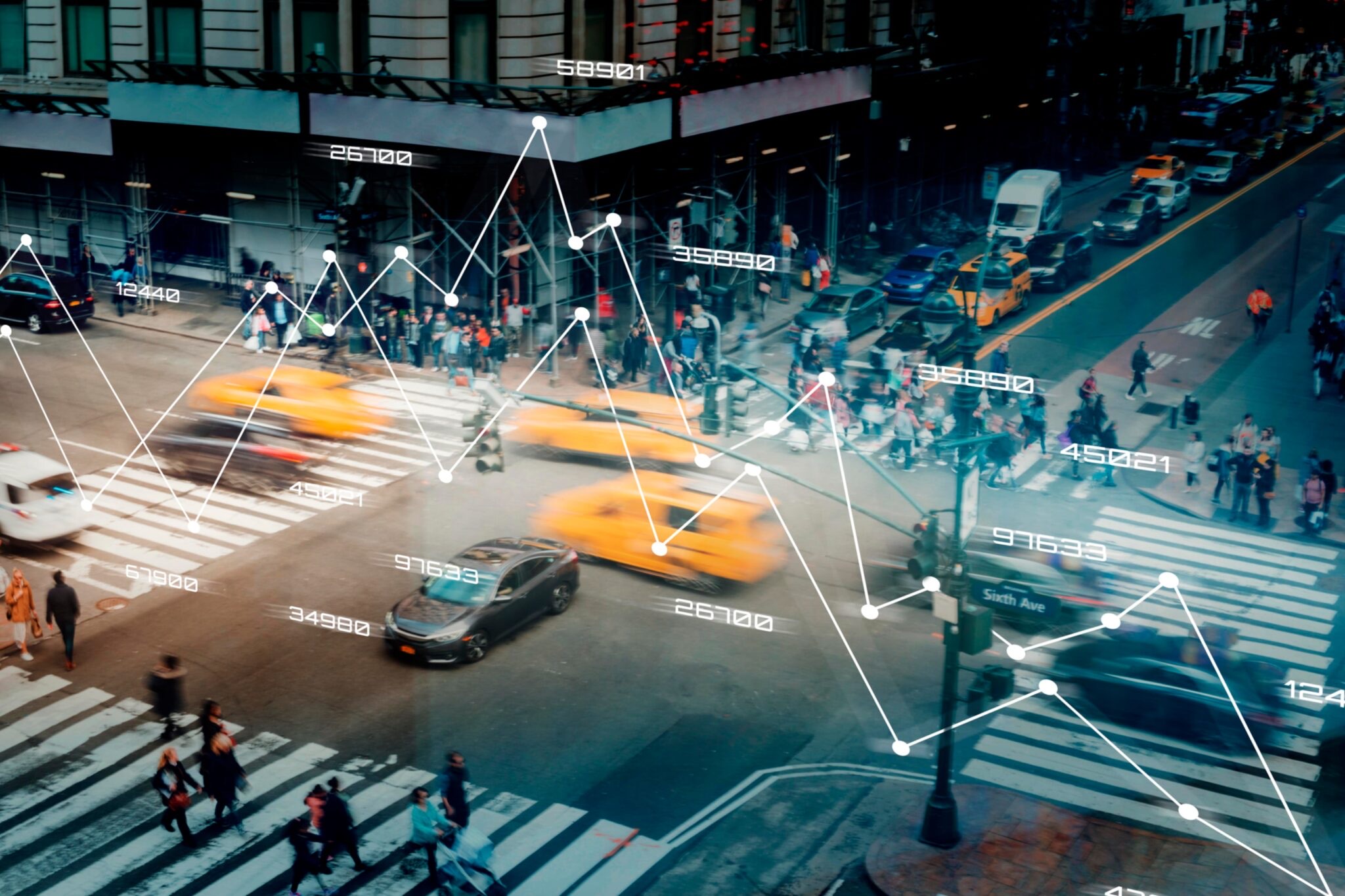
Integration means everything works together — transport, technology, policy, and economic systems. These systems must support each class, each community, and each citizen.
Here are some practical strategies used in India and other nations:
- Create fast, multi-layered transport networks
- Add digital tools for route planning
- Reduce travel times
- Improve safety standards
- Encourage shared mobility services
- Support low-income families with travel subsidies
- Promote electric vehicles
- Work with private companies to develop stronger mobility programs
- Allow business and government to collaborate
- Use data to understand mobility trends
These strategies shape social mobility by giving all groups equal movement power.
Approaches Used for People Mobility Across Different Regions
Below is a table comparing mobility tools in India, Europe, and other global regions:
| Region | Core Mobility Approach | Benefits | Challenges |
|---|---|---|---|
| India | Multi-modal public + private shared mobility | Wide coverage, affordability | Urban congestion |
| Europe | High-speed rail + cycling systems | Efficient movement | High infrastructure cost |
| US | Car-based urban movement | Flexibility and freedom | Pollution and dependence |
| Gulf Countries | Tech-driven smart transit | Modern systems | Heat and infrastructure stress |
This table shows how countries create different patterns of mobility and how each pattern affects the extent of movement for people across social classes.
When all mobility systems align, people reach workplaces faster, earn better income, receive better education, and improve their status. It changes the nature of society by reducing inequality and creating better pathways for success.
Human Factors That Influence Mobility
Mobility does not depend on transport alone. It depends on many ideas, group behaviors, policies, and community choices.
Social classes and their mobility patterns
Each class has its own mobility pattern:
- The middle class often uses private vehicles, metro, buses, and shared rides.
- The working class depends more on public transport and shared services.
- High income groups pay for convenience.
These patterns create different mobility experiences but also show the need for strong support systems.
Impact of political and economic factors
Government decisions strongly shape mobility. Policies that improve transport, expand education, reduce inequality, and support job creation change how fast societies move forward. Bad policies slow everything.
Why businesses must contribute
Corporate transport programs help workers avoid long delays and travel safely. Growing companies need mobility because it directly affects business output, hiring, and success. Many businesses offer pickup-drop services to keep operations smooth.
Role of Innovation and Technology in Transforming Mobility
India is moving fast toward tech-enabled mobility. This shift creates freedom of movement for millions.
Digital mobility tools
Apps, online maps, booking systems, and route optimization tools help daily commuters. Students, office workers, and families use these tools to move faster.
How innovation strengthens resilience
Modern systems allow quick adjustments. If a road closes, apps reroute. If economic factors change, people shift jobs with better travel networks. This creates strong economic resilience.
The value of technology in education and business mobility
Technology helps students reach online classes, distance learning, or hybrid campuses. It helps businesses manage fleets, track movement, and plan better strategies.
Mobility Challenges Faced by India
Urban congestion and differences between regions
India faces heavy traffic, major regional differences, and uneven public transport. These gaps affect daily life, productivity, and economic development.
Social and income inequality
Mobility inequality grows when the poor live far from economic hubs. Distance affects job access, education, healthcare, and opportunities. Poorer groups face long commute times and limited transport services.
Slow development in some regions
Some Indian regions grow slower due to poor infrastructure. Weak transport affects families, small businesses, and working class groups. Over time, this leads to more downward mobility and unstable living standards.
Practical Solutions for Enhancing People Mobility in India
Strengthen transport networks
India must expand metro lines, improve bus quality, widen roads, enhance digital traffic systems, and encourage safe shared mobility.
Promote affordable mobility
Subsidies for low-income groups and students must continue. Affordable travel boosts attendance, education, and better job access.
Increase private sector involvement
Companies can provide employee transport, safer travel, and smart fleet solutions. This helps employees move easily and improves overall workplace mobility.
Building a Future Where Mobility of People Is Easy for Everyone
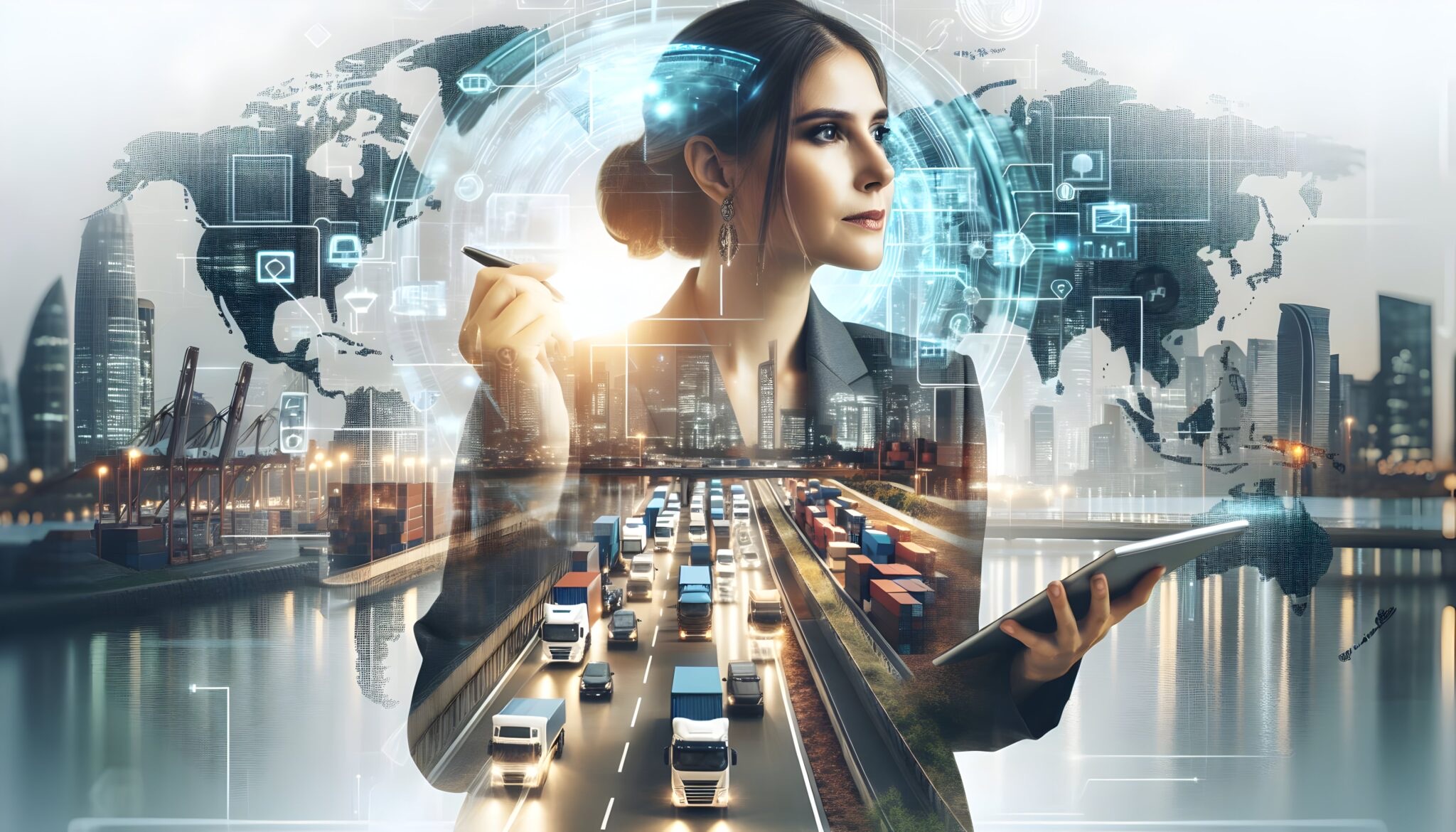
To build a strong India, we must build strong mobility systems. When transport, education, policy, and technology connect smoothly, people rise across social classes. They earn better income, gain better education, and reach better workplace opportunities. Strong mobility systems reduce economic inequality, strengthen the middle class, and help businesses grow with confidence.
If you want real progress, real change, and real improvements in mobility, your systems must integrate well and serve every class, every worker, and every citizen.
To experience seamless travel for your workforce and enhance the mobility of people in your company, book your next corporate transport solution with Fiesta Smart Mobility today.
Client spotlight
“Thanks for your wonderful support on arranging vehicles for BCP in CBE office due to heavy rainfall in Chennai city. Appreciate all your efforts and hard work for helping us to run transport operation successfully in critical times. Please share our sincere thanks to all the team members.”